By Wieteke Idzerda, NZ based Occupational Therapist, Clinical Leader, CR Therapist
Reflecting on 10 years of Cognitive Remediation in Aotearoa New Zealand and the 2026 ACORN Cognitive Remediation Conference
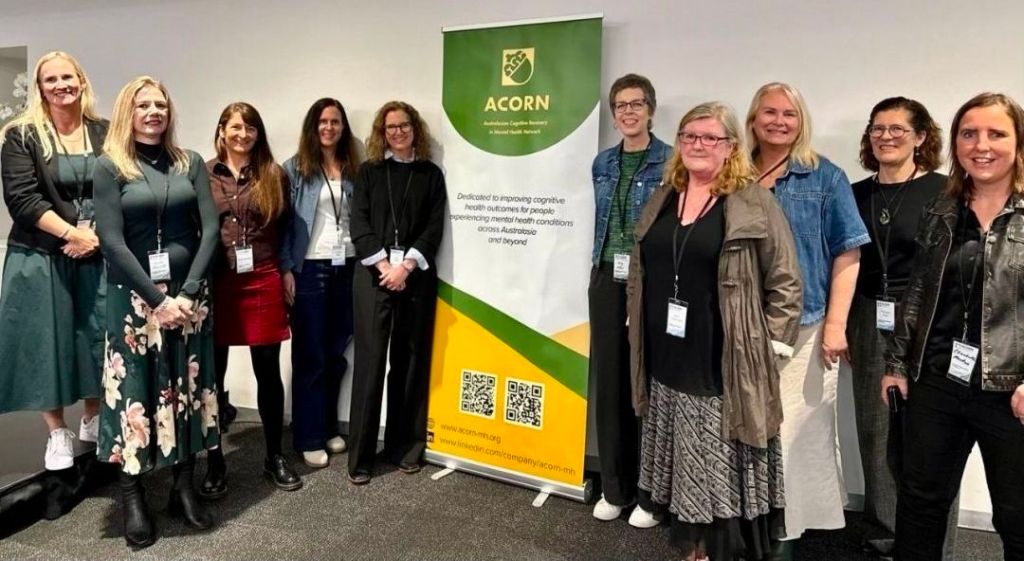
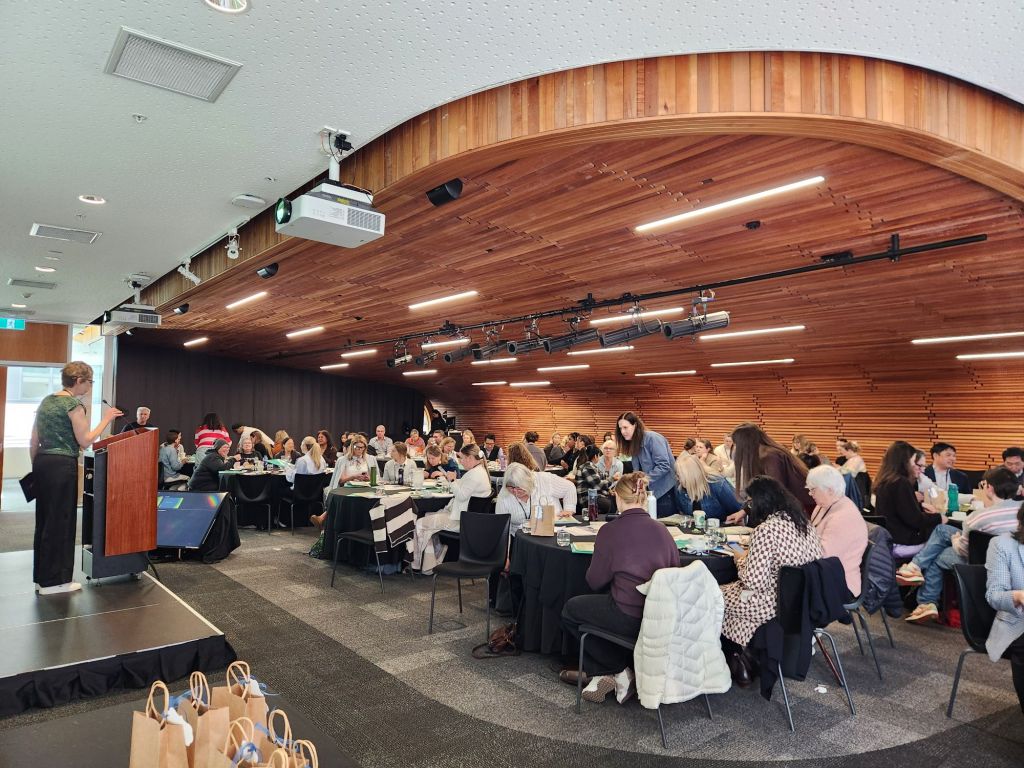
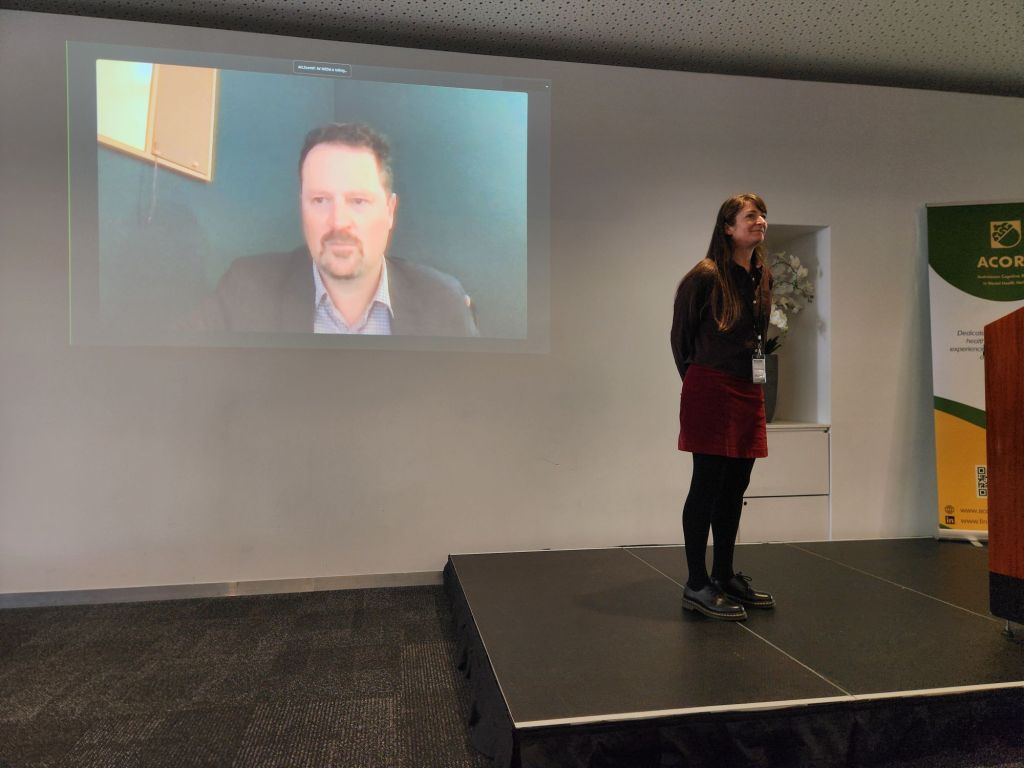
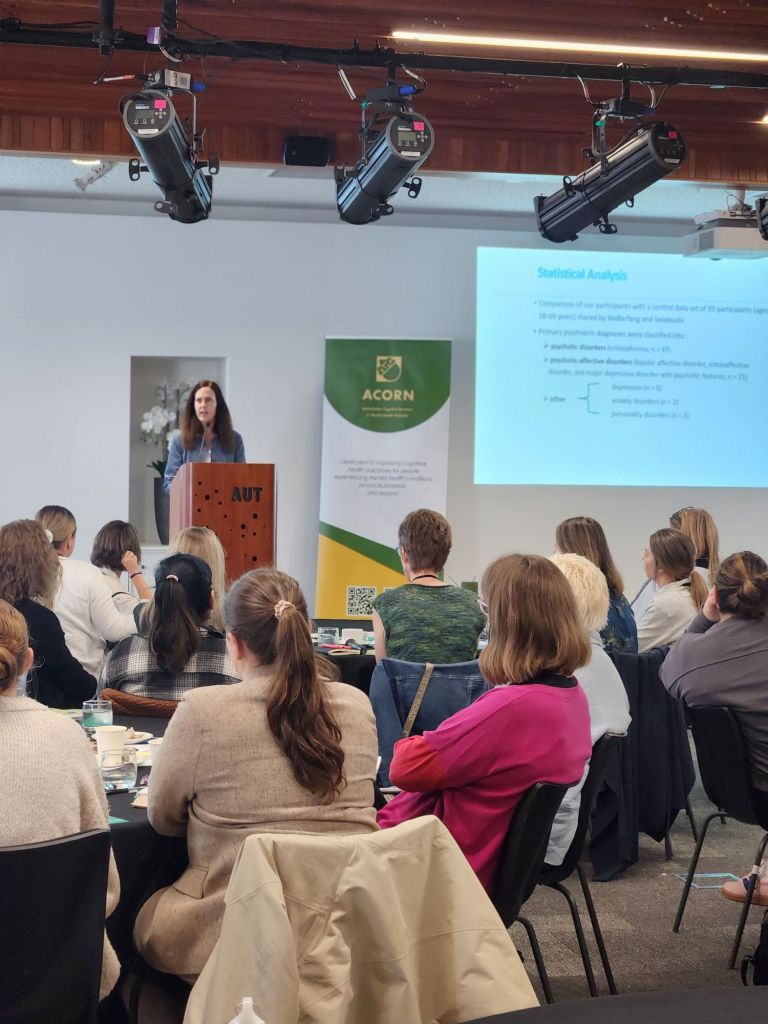
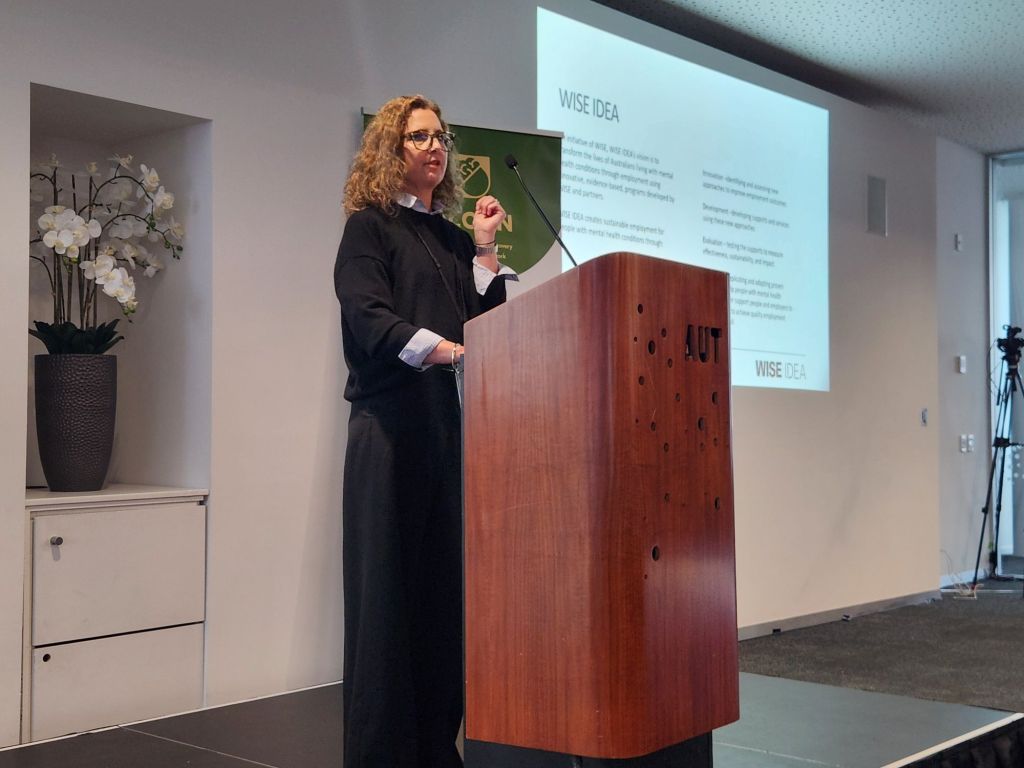
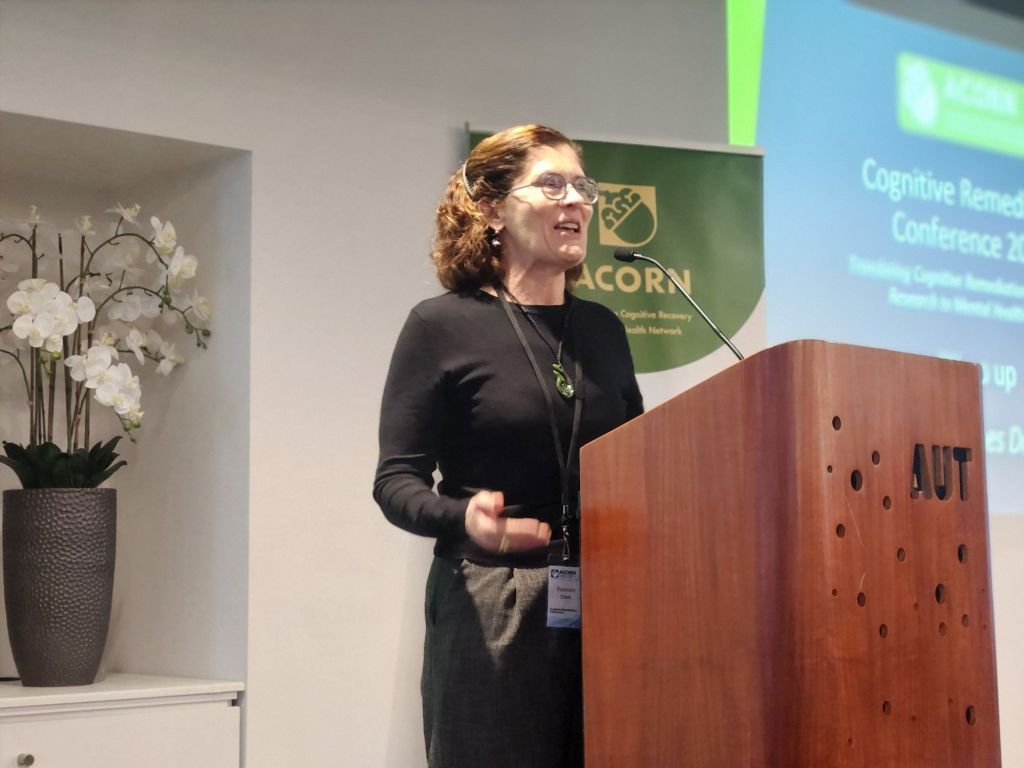
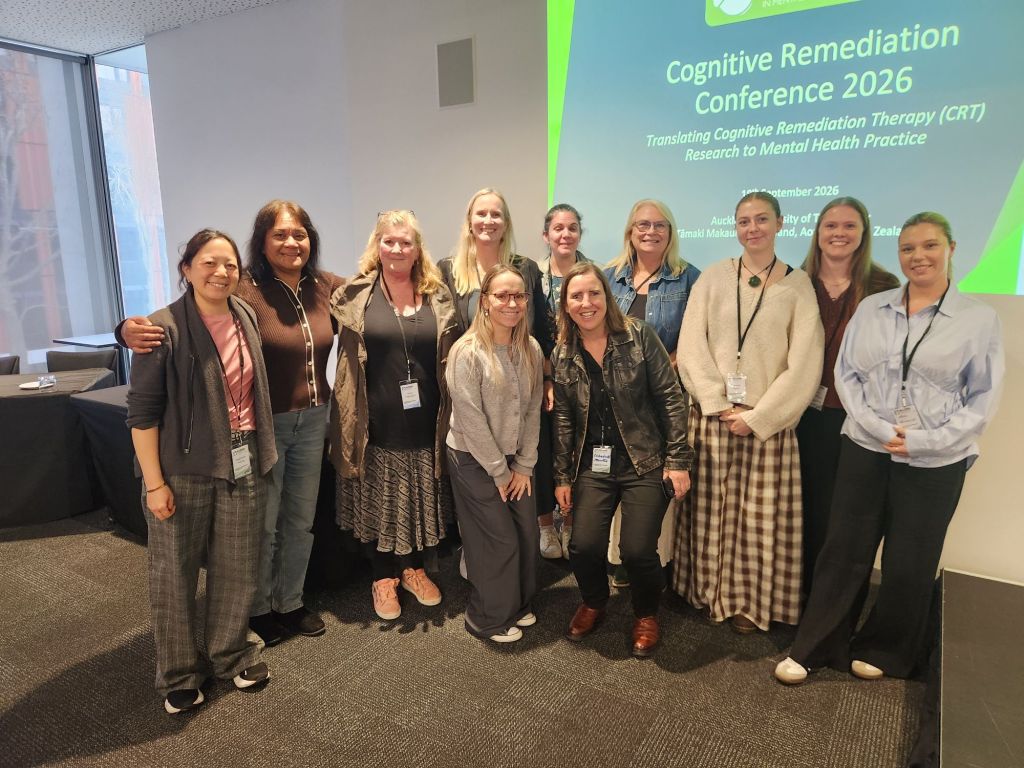
Last week, I had the privilege of attending and presenting at the ACORN Cognitive Remediation Conference in Tāmaki Makaurau Auckland.
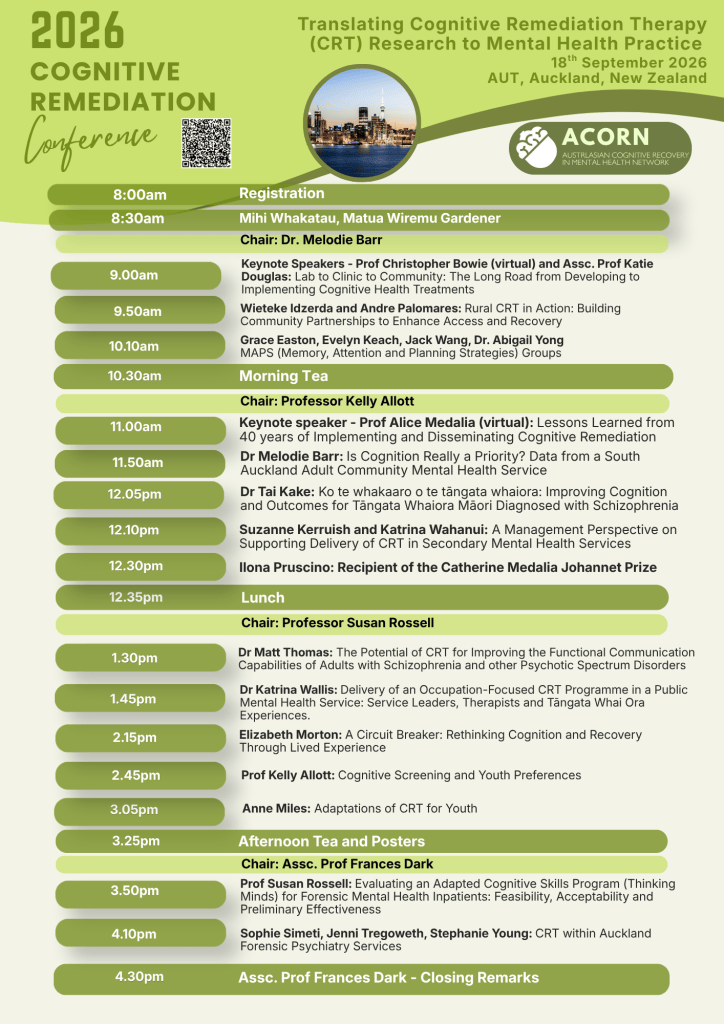
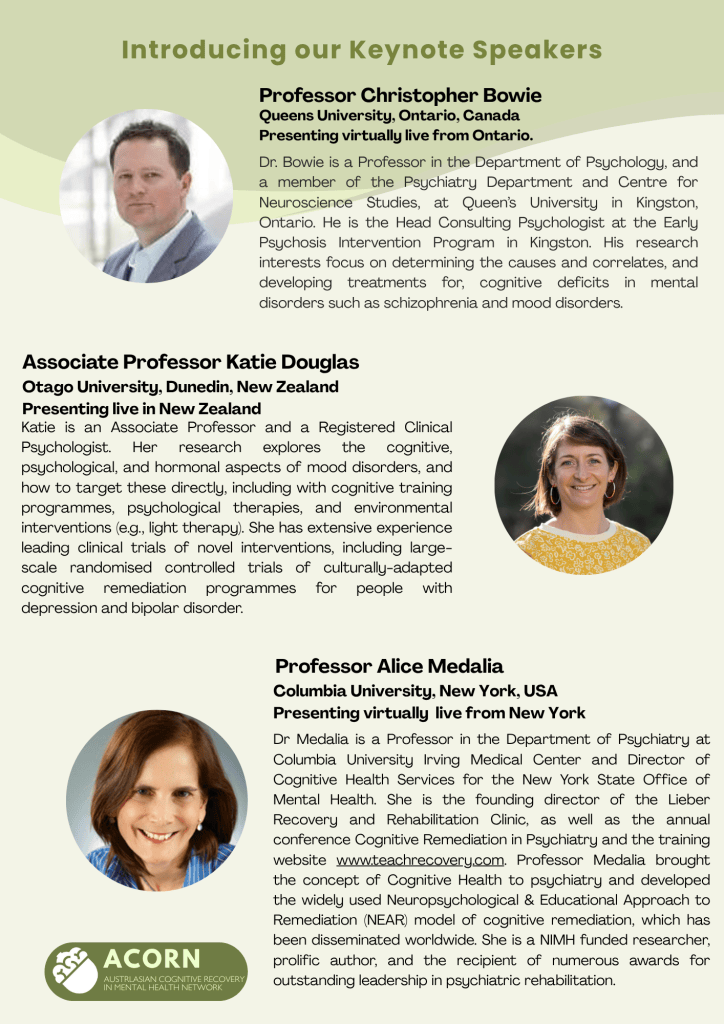
I had the opportunity to hear about incredible research, programmes and journeys from our keynote speakers, Professor Christopher Bowie, Associate Professor Katie Douglas and Professor Alice Medalia. Alongside our keynote speakers, Professor Kelly Allott, Professor Susan Rossell, Anne Miles and Dr Matt Thomas shared their research and programmes. Closer to home, we also heard from the incredible Dr Katrina Wallis, Dr Melodie Barr, Sophie Simeti, Jenni Tregoweth and Stephanie Young.
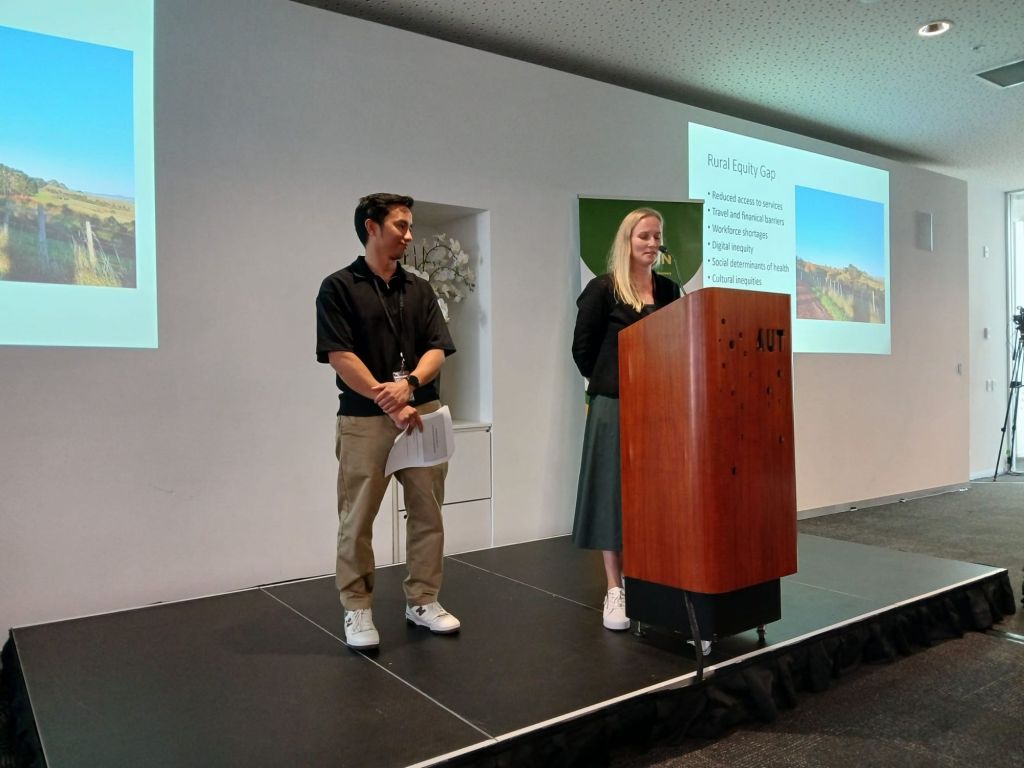
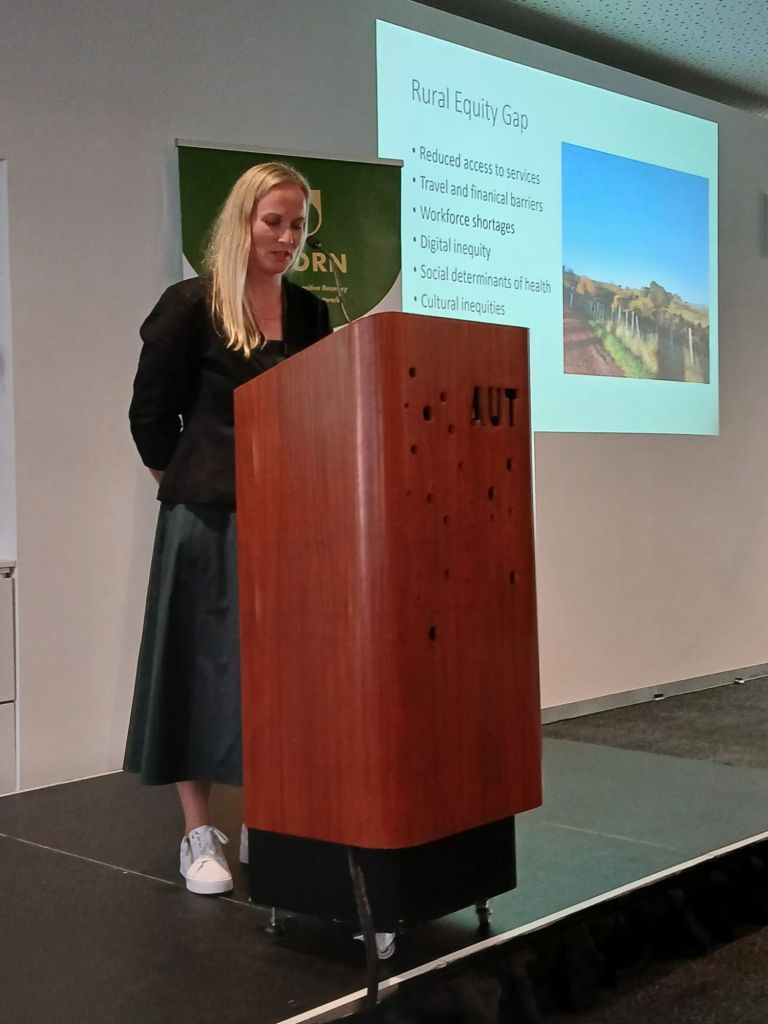
It was a significant day for me personally. Not only did I get to present alongside my fantastic colleague Andre Palomares about Rural CRT, using a hybrid model, and exploring the importance of equitable access to mental health care, but it also felt like a career milestone.
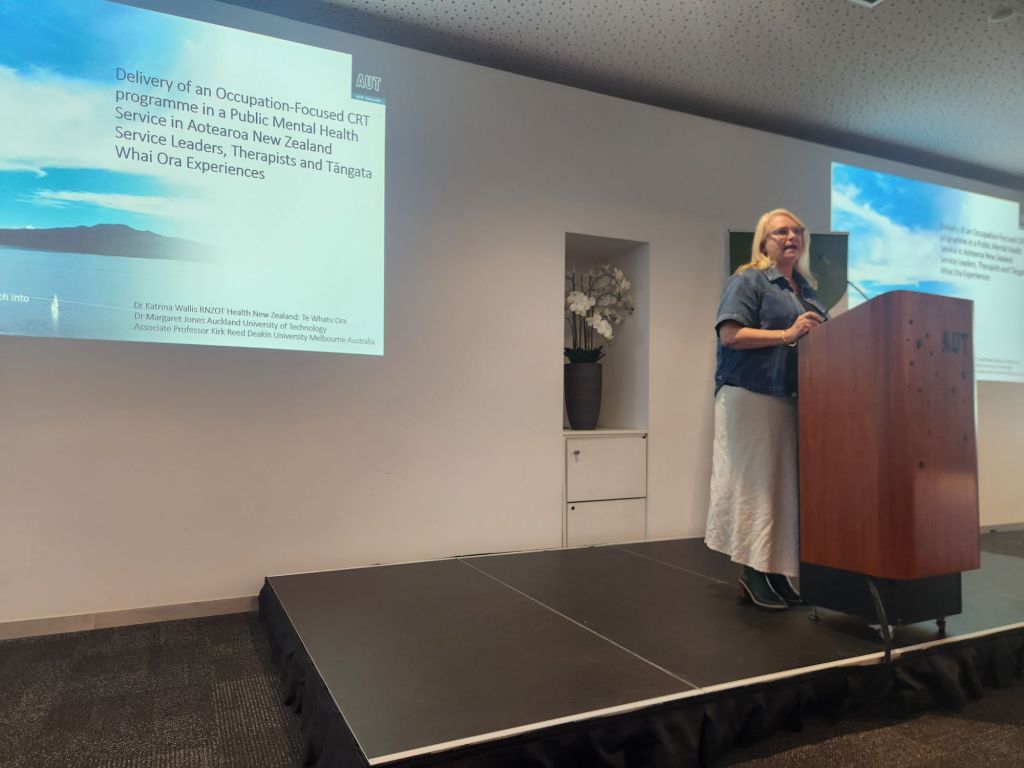
Ten years ago, in 2015, my Cognitive Remediation Therapy (CRT) journey began with a very simple question asked by Dr Katrina Wallis at an Occupational Therapy meeting:
“Has anyone heard of Cognitive Remediation Therapy?”
None of us had.
That question led to a small group of Occupational Therapists searching the literature, learning about programmes overseas and asking what CRT might look like within mental health services here in Aotearoa New Zealand.
Ten years later, I found myself sitting in a room with some of the international leaders who have shaped this field, alongside clinicians, researchers, people with lived experience and leaders from our own mental health system.
It felt like a full-circle moment.
But it also made me reflect on how much we have learnt — and how much possibility there still is.
Ten Years of Learning How to Make CRT Happen
When I reflected recently on the first ten years of CRT in Aotearoa, I wrote about some of the lessons we had learned:
● Just do it.
● Collaborate, be innovative and use the resources around you.
● Train and support clinicians.
● Develop succession plans.
● Share resources.
● Celebrate the wins.
● Keep reflecting and checking that the principles of CRT are being upheld.
Those lessons remain incredibly relevant.
Over the past decade, I have watched CRT move from something largely unfamiliar within our services to something being delivered in different parts of Aotearoa, including community settings, forensic services, work rehabilitation services and rural services, through remote platforms and in partnership with NGOs. There is genuine momentum.
We have learnt how to adapt. We have learnt how to train. We have learnt how to problem-solve around geography, workforce limitations and competing demands. And we have learnt that clinicians are often creative when they see the value of an intervention and want to make it accessible to the people they work alongside. But over time, my thinking about implementation has also changed.
Initially, I was very focused on how we could make CRT happen.
Increasingly and more recently, I have become interested in a bigger question:
How do we create mental health services where cognitive health is naturally considered as part of recovery?
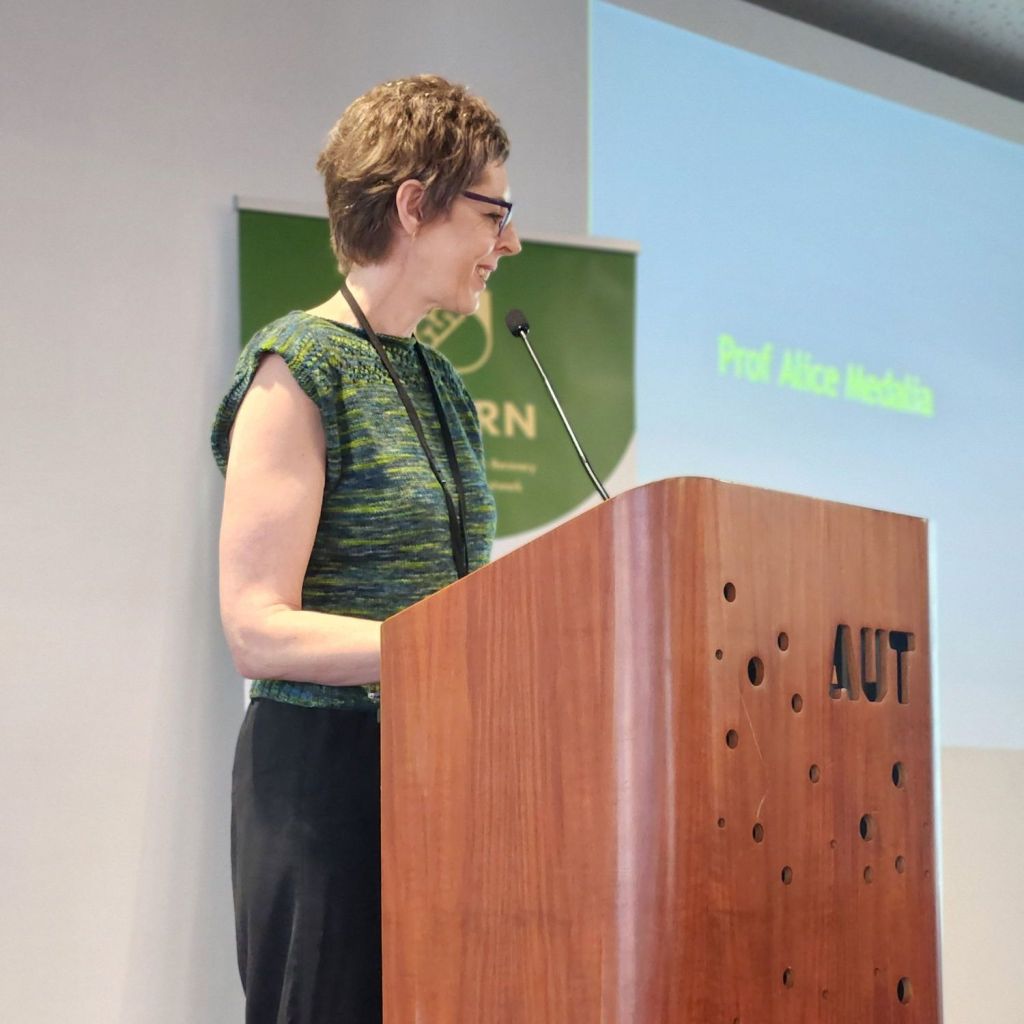
Hearing Professor Alice Medalia Speak After Ten Years of This Journey
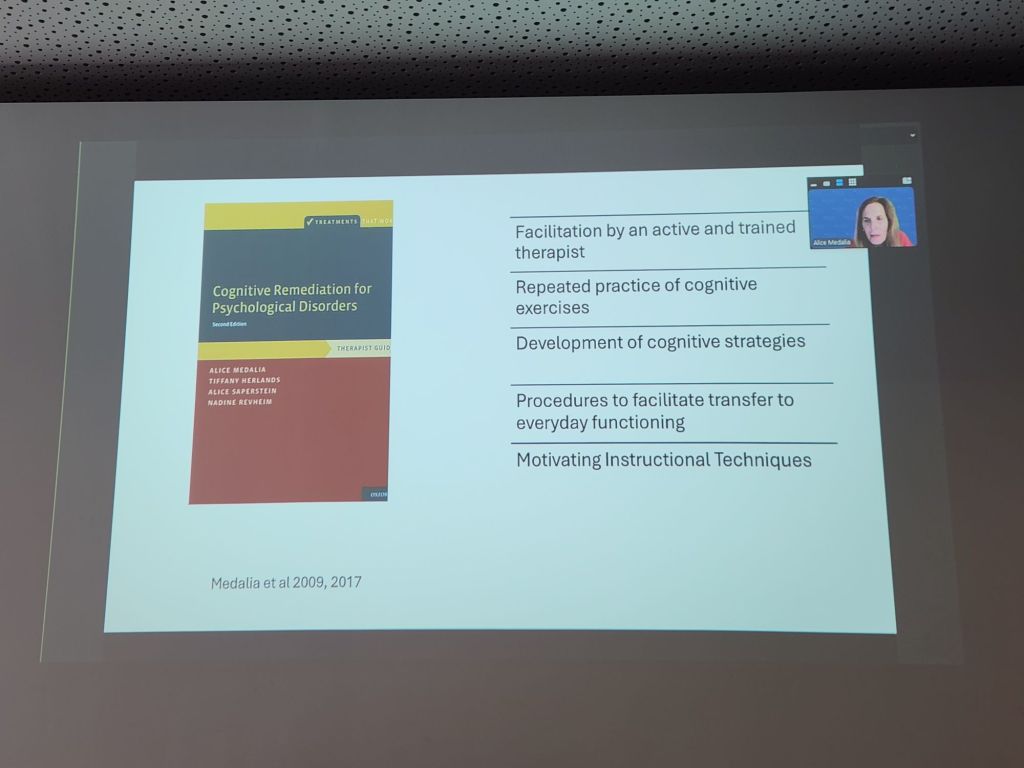
Lessons learnt from 40 years of Implementing and Disseminating Cognitive Remediation
One of the most meaningful parts of the conference for me was hearing Professor Alice Medalia speak about her decades of experience in cognitive remediation.
There was something quite special about sitting in Aotearoa, ten years after first hearing the words “Cognitive Remediation Therapy”, and listening to someone who has spent approximately four decades working in this field.
I found myself reflecting on just how much of what Alice was describing resonated with my own experience. Not because our journeys have been the same — they certainly haven’t — but because many of the questions are familiar.
How do we move from evidence to practice? How do we support clinicians to change the way they work? How they think? How do we make programmes fit within real-world services? How do we maintain quality while adapting to different contexts? And perhaps most importantly, how do we create the conditions for evidence-based practice to be sustained?
Alice’s focus on implementation and theory of change particularly stayed with me. After ten years of being involved in CRT, I think we have spent a lot of time thinking about the intervention, including what programme and model should we use? How should we deliver it? How do we train people? How do we adapt it for rural settings? How do we reach people who cannot attend groups?
A theory-of-change perspective encourages us to step back and think about the whole pathway. What are we trying to change? What needs to happen for that change to occur? What conditions need to be in place? And what role does the wider system play?
That felt particularly relevant to me. Because perhaps the next stage of CRT implementation in Aotearoa isn’t simply about getting more programmes running.
Perhaps it is about thinking more broadly about cognitive health as part of mental health care. It should arguably be the foundation of all the work we do in psychiatric care. How does one develop an understanding of their own thinking or learn new skills without cognition.
From Cognitive Remediation to Cognitive Health
People living with severe mental illness can experience significant cognitive difficulties that affect everyday functioning, learning, problem-solving, social participation, employment and the ability to work towards personally meaningful goals.
For me, this is where CR connects so strongly with Occupational Therapy.
Cognition isn’t something that exists separately from someone’s everyday life.
It influences whether someone can organise their morning, remember an appointment, learn a new skill, manage medication, navigate work or study, maintain relationships, solve problems or participate in the occupations that give their life meaning.
We already ask many important questions about recovery:
How are symptoms?
How is mood?
Is risk reducing?
Is treatment helping?
What are the person’s goals?
Perhaps we can more consistently add: How is cognition affecting this person’s ability to achieve those goals?
And, importantly: What can we do about it?
For me, cognitive health is becoming less about one particular intervention and more about a way of thinking. Dr. Melodie Barr brought this home with her study in Counties Manukau who asked “is cognition really a priority” within their community mental health services. The data is relevant and significant enough for us to take note and use it to drive change. This has allowed for a specific role “Cogntion Coordinator” to be developed in Countie Manukau. A foundation in Cognitive Health is essential for us to make cognition part of every day mental health practice.
CR is an important part of that picture but it is not the whole picture.
The Importance of the Peer Voice
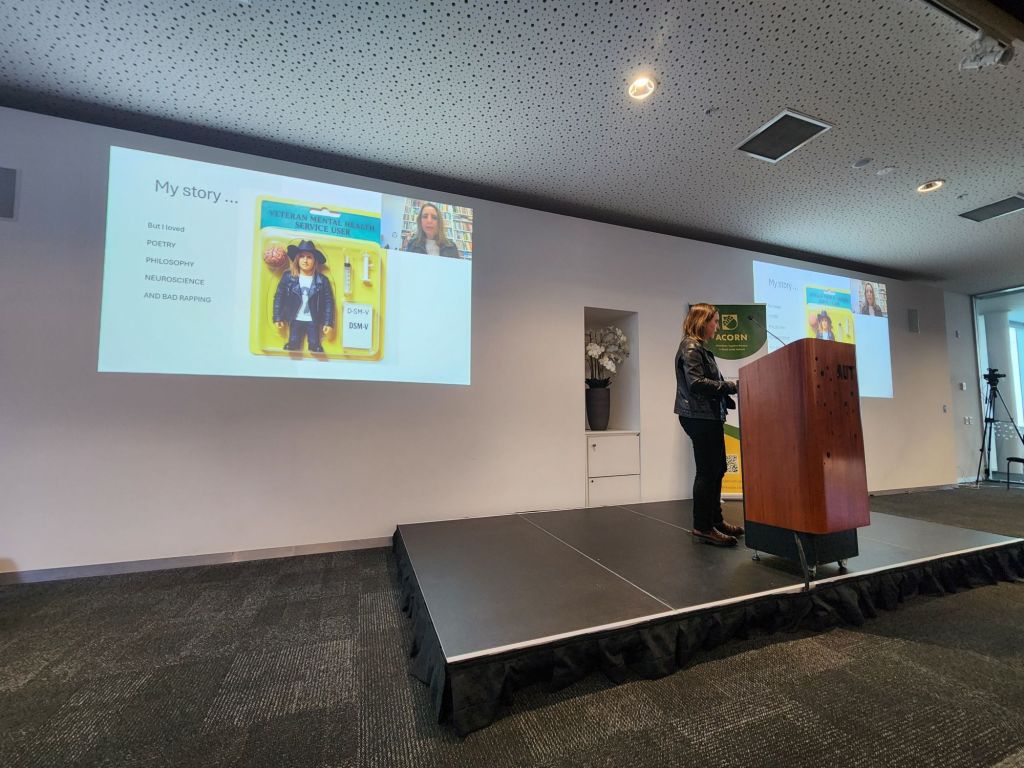
A Circuit Breaker: Rethinking Cognition and Recovery Through Lived Experienxe
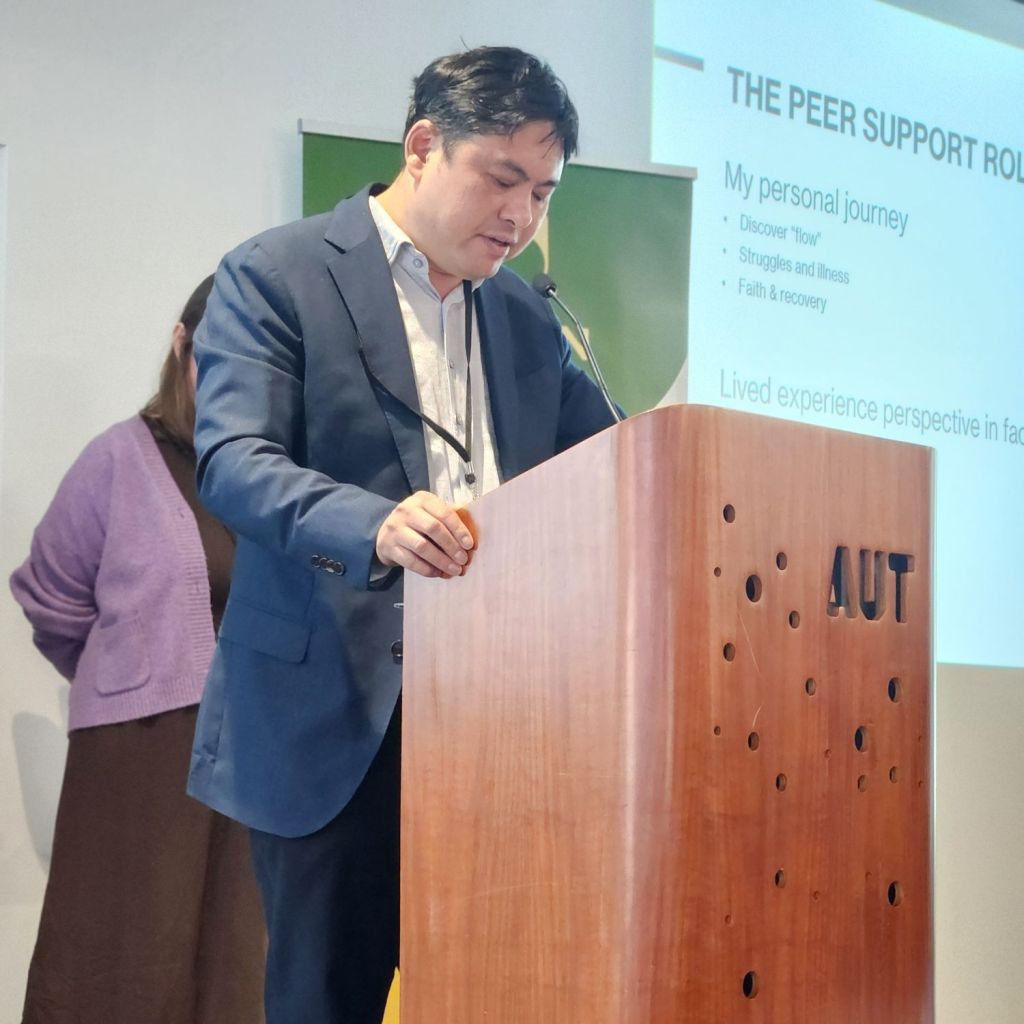
Another important reflection from the conference was hearing Elizabeth Morton share her experience of cognitive remediation from a lived-experience perspective. I have heard Elizabeth speak on two occasions now and she is by far one of the inspiring speakers I’ve ever heard. Her ability to articulate her self, her experience and hopes, makes you believe and know what we are doing in this space is the right thing.
It was a valuable reminder that while clinicians and researchers can talk about cognition, implementation and outcomes, the experience of actually living with cognitive difficulties brings a perspective that cannot be replicated through clinical knowledge alone.
Peer involvement has an important place in cognitive remediation — not simply as a voice we consult, but as a contribution that can help shape how we understand, design and deliver interventions. Hearing Elizabeth as well as Jack Wang (a Lived Experienced Specialist from Counties Manukau) and Dr. Katrina Wallis (Occupational Therapy Clinical Lead for Waitematā) speak about peer experiences has reinforced for me the importance of creating opportunities for people with lived experience to be active partners in this work.
If the goal is ultimately to support people to live the lives they want, then their experiences, priorities and insights need to be central to the conversation about what cognitive health support should look like.
The Role of Leadership
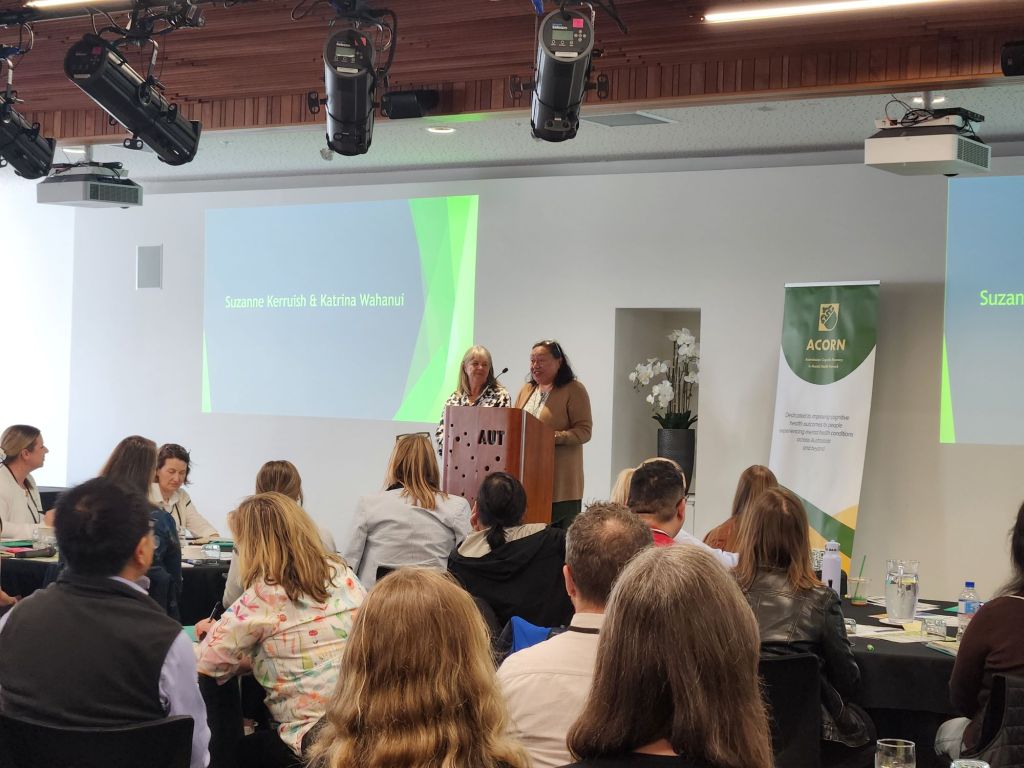
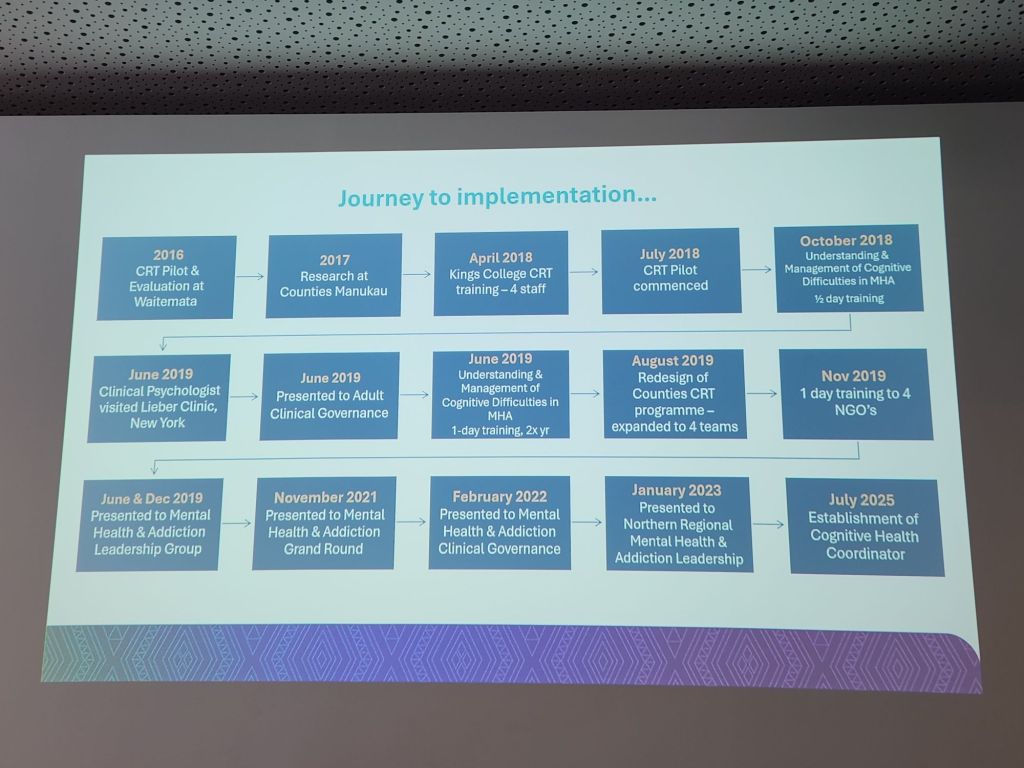
A Management Perspective on Supporting the Delivery of CRT in Secondary MH Services
Another part of the conference that I found particularly valuable was hearing Suzanne Kerruish and Katrina Wahanui speak from their perspectives as General Managers.
It provided an opportunity to think about CR from a different level.
As clinicians, we often think about what we need to deliver a programme well: time, training, supervision, referrals, resources and clinical support.
From a leadership perspective, there are broader questions: How does this fit with the direction of the service? How do we support innovation? How do we create space for clinicians to develop new ways of working? How do we know whether something is making a meaningful difference? And how do we support promising initiatives to become sustainable parts of practice?
These perspectives helped me reflect on how important the relationship between clinicians and leadership really is.
Implementation isn’t something that happens to a service, nor is it something clinicians can necessarily achieve alone. It is something we build together.
Recent international experience of implementing cognitive remediation similarly highlights the importance of sustained leadership, organisational fit, training, supervision and ongoing support.
That feels like an important message for the next stage of our work in Aotearoa.
What Rural Implementation Has Taught Me
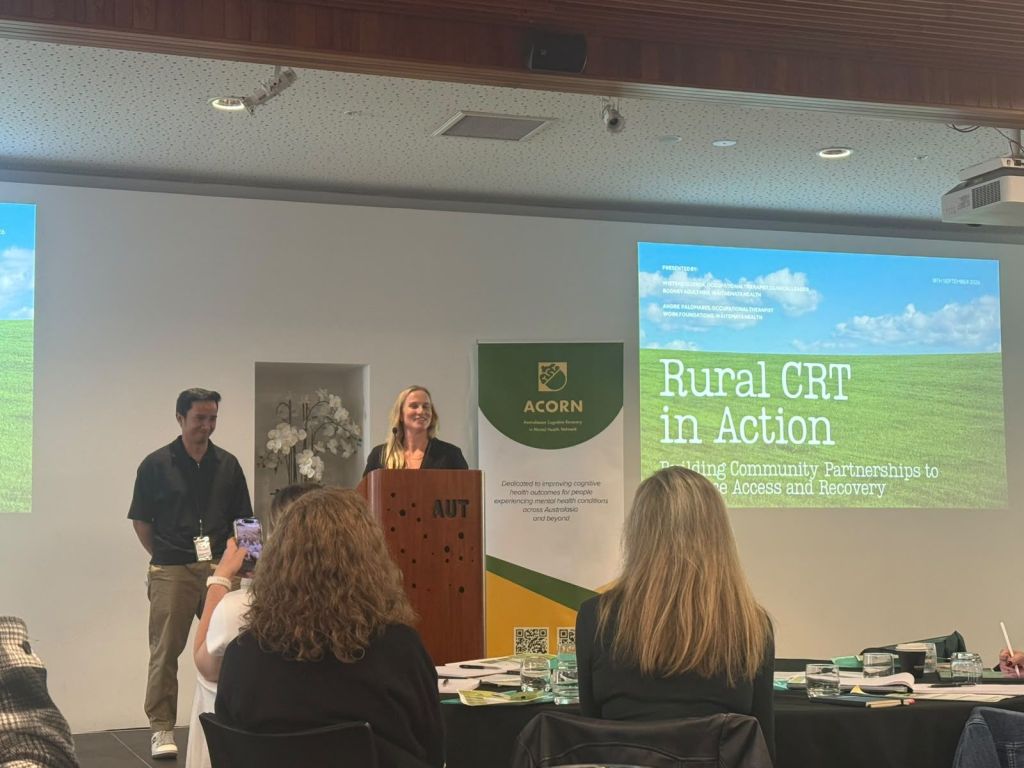
Rural CRT in Action: Building Community Partnerships to Enhance Access and Recovery
My own experience of implementing CR in rural community mental health has reinforced this.
Rural services can face real challenges — smaller workforces, geographical distances, limited specialist resources and fewer opportunities for face-to-face programmes.
But these challenges have also encouraged innovation. We have explored remote delivery. We have considered 1:1 approaches alongside groups. We have worked alongside NGOs, whanau ora services and work rehabilitation services.
We have shared knowledge and expertise across geographical boundaries. We have asked how we can make evidence-based interventions accessible when the traditional model doesn’t quite fit. And perhaps this is one of the things I value most about rural practice – it encourages us to ask what is possible, rather than simply what has always been done.
The Next Ten Years
Ten years ago, our question was: “Has anyone heard of Cognitive Remediation Therapy?”
Then it became: “How do we get CRT up and running?”
Then: “How do we train clinicians and sustain programmes?”
Perhaps now the question can evolve again: “How can we make cognitive health a more visible and valued part of mental health recovery?”
For me, that doesn’t mean every person needs CRT. It doesn’t mean replacing other important approaches. And it certainly doesn’t mean that clinicians have all the answers.
It means recognising that cognition can be an important part of a person’s experience of mental illness and recovery — and considering what support might be helpful when cognitive difficulties are getting in the way of the life someone wants to live.
A Shared Responsibility
One of my biggest reflections from the conference was that sustainable implementation cannot rely solely on passionate individuals. I know this because I have been one of those people.
Champions can start something. They can create momentum. They can connect people, develop resources, train others and keep an idea alive.
But for something to become sustainable, it needs to become part of the wider system.
That requires clinicians, researchers, people with lived experience, educators, managers and leaders to have a shared conversation about what matters and what is possible. And this is perhaps where I see my own role evolving.
After ten years of helping to bring CRT to Aotearoa, I don’t just want to keep asking: “How can we deliver CRT?”
I want to keep asking:
“How can we help our services understand and respond to cognitive health as part of recovery?”
How can we support leaders to see the opportunities?
How can we support clinicians to develop their confidence?
How can we continue to build the evidence?
How can we listen to people with lived experience about what cognitive difficulties mean in their everyday lives?
And how can we make sure that where someone lives — whether in a large urban centre or a rural community — doesn’t determine whether they can access support for cognitive difficulties?
Ten Years On
I left the ACORN conference feeling incredibly grateful. Grateful for the people who asked that first question ten years ago. Grateful for the clinicians who have taken the opportunity to learn something new. Grateful for the researchers who have continued to build the evidence. Grateful for the people with lived experience who remind us why this work matters. And grateful to hear from leaders who are thinking about how we can create health systems that support innovation and evidence-based practice.
Ten years ago, we were asking whether CRT had a place in Aotearoa.
Today, I feel much more interested in a broader question: What could mental health care look like if cognitive health was routinely considered alongside psychological, physical, social and occupational wellbeing?
I don’t have the answer yet.
But after ten years, I’m inspired and excited to keep asking the question.

For more information about Australasian COgnition Recovery in Mental Health Network (ACORN), please go to: https://www.acorn-mh.org/
 Mind to Function
Leave a comment